Ealing Broadway W5 rubbish removal guide for homeowners
Posted on 19/06/2026
If you live near Ealing Broadway, you already know the rhythm: busy pavements, post-war flats beside handsome terraces, a loft full of "I'll deal with that later" boxes, and the occasional garden clear-up that turns into a much bigger job than expected. This Ealing Broadway W5 rubbish removal guide for homeowners is here to make the process simpler, safer, and a lot less stressful. Whether you are clearing out after a move, tackling DIY debris, or just trying to reclaim the spare room, the aim is the same: get rid of waste properly, avoid headaches, and keep things moving without drama.
To be fair, rubbish removal sounds straightforward until you're standing in front of a pile of broken furniture, old appliances, bagged clutter, and builder's dust with no idea where to start. That's where a clear plan helps. In this guide, you'll find practical steps, local considerations, common mistakes, and the key choices homeowners usually face when arranging rubbish collection or full waste removal in W5.
Expert summary: The smartest rubbish removal plan is usually the one that matches the waste type, the access to your property, and the urgency of the job. A little preparation before collection day can save time, money, and a fair bit of stress.
- Understand what needs removing and how it should be handled
- Choose the right service for domestic, bulky, garden, or builder's waste
- Prepare access and sorting in advance
- Check compliance, insurance, and disposal standards
- Avoid common mistakes that lead to delays or extra costs
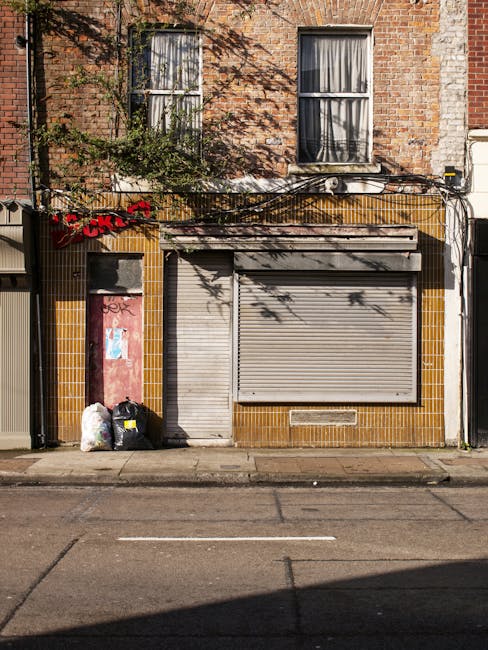
Why Ealing Broadway W5 rubbish removal guide for homeowners Matters
Rubbish removal matters because waste has a habit of causing problems long after the clear-out itself. In a busy part of West London like Ealing Broadway, clutter can quickly become a space issue, an access issue, and sometimes a compliance issue. A pile of old furniture in the hallway is not just ugly; it can block movement, make cleaning harder, and slow down decorating, renting, or selling plans.
There's also the practical side. Homes in W5 vary a lot. You might be in a maisonette with tight stairs, a family house with a long driveway, or a flat where access is a bit awkward and parking is never quite generous. The removal method needs to fit the property, not the other way round. That's why a decent rubbish removal plan is not just about disposal. It's about timing, access, sorting, safety, and not creating an even bigger job for yourself.
If you are preparing for a property sale, a refurbishment, or simply trying to reset the household after years of gradual accumulation, a tidy disposal process can make a noticeable difference. For readers also thinking about the wider local context, a local's take on life in Ealing and the charm of this part of London both help explain why people here often care about keeping homes presentable and liveable.
How Ealing Broadway W5 rubbish removal guide for homeowners Works
In simple terms, rubbish removal works by matching the right service to the right type of waste. Some jobs are small and fairly tidy: a few bags of household rubbish, a mattress, maybe a broken cabinet. Others are messy and awkward: renovation rubble, old bathroom fittings, garden cuttings, or mixed junk from a loft clearance. The method you choose should reflect volume, weight, access, and whether anything needs separating for reuse or recycling.
For many homeowners, the process follows a familiar pattern. First, you identify the waste type. Then you decide whether it can be reused, recycled, taken to a local facility, or removed by a licensed carrier. After that, you book a collection, prepare the items, and make sure access is clear on the day. It sounds obvious. In reality, people often skip the sorting step and end up paying for avoidable labour or waiting longer than planned.
It also helps to understand the difference between general domestic waste collection and more specialised services. Household waste, bulky furniture, white goods, builders' debris, garden waste, loft clutter, and office items all behave differently. A one-size-fits-all approach usually creates inefficiency. If you need a broader overview of service types, the services overview page is a useful starting point, and the site's recycling and sustainability information gives helpful context on responsible disposal.
What usually happens on collection day
- The waste is checked and confirmed against the booking details.
- Items are loaded, usually with attention to heavier or awkward pieces first.
- Recyclable or reusable materials are separated where appropriate.
- The load is transported for lawful disposal or recovery.
- Any final adjustments, such as sweeping up loose debris, are done before the job finishes.
That's the ideal flow. Of course, real life can be messier. A forgotten side gate, an unlabelled pile of mixed waste, or a fridge buried behind a sofa can slow things down. Nothing dramatic, just the sort of thing that turns a quick job into a long one.
Key Benefits and Practical Advantages
The biggest benefit of professional or well-organised rubbish removal is simple: you get your space back. But the real value goes deeper than that. You reduce risk, save time, and make the home easier to manage. For busy households, that is no small thing. One less lingering pile in the garage can make the whole place feel calmer.
There are also financial and practical advantages. A clear, decluttered home is easier to clean, photograph, paint, repair, or market. If you're planning to move, a tidy property can feel more spacious and better maintained. Homeowners interested in presenting their property well may also find the selling strategy for Ealing homes helpful, because decluttering and waste clearance are often part of that bigger picture.
- More usable space: lofts, spare rooms, sheds, and drives become functional again.
- Less stress: no more staring at the pile and thinking, "I'll deal with that this weekend."
- Improved safety: fewer trip hazards, sharp edges, and unstable stacks.
- Better property presentation: useful for viewing, renting, or staging a home.
- Cleaner workflow: decorators, builders, and movers can work more efficiently.
- More responsible disposal: recyclable items can be handled properly instead of being dumped in mixed waste.
There's a subtle benefit too. A proper clearance often changes how people use the house. Once the clutter goes, the room stops being a storage zone and becomes a room again. Simple, but surprisingly powerful.
Who This Is For and When It Makes Sense
This guide is for homeowners, landlords, and long-term residents in Ealing Broadway W5 who need a sensible way to deal with unwanted waste. It is especially useful if you are not dealing with a single bin bag, but with a real mix of items that need sorting and removing in one go.
Typical situations include:
- End-of-tenancy or pre-sale clear-outs
- Moving house and downsizing
- Loft, garage, shed, or basement clearances
- Furniture replacement and bulky item disposal
- Kitchen or bathroom refurbishments
- Garden tidy-ups after pruning, landscaping, or storm damage
- White goods disposal when appliances stop being worth repairing
It also makes sense when the job is simply too awkward to manage alone. Heavy wardrobes, broken washing machines, builders' rubble, and mixed junk from years of storing "just in case" items are common examples. You can lift some of it yourself, sure, but should you? That's a different question. Sometimes the answer is no, and that's perfectly normal.
If you're comparing service types, the right page depends on the job. For example, a full home clear-out points toward house clearance in Ealing, while a smaller volume of mixed household rubbish may fit domestic waste collection better. The correct match matters more than the label.
Step-by-Step Guidance
Here's the practical version. If you follow these steps, the process gets a lot smoother. Not perfect - just smoother.
1) Sort the waste into clear categories
Start by separating what you have: general household rubbish, recyclable items, furniture, appliances, garden waste, and building materials. This helps you see what really needs to be collected and what might have another route. A quick sort in the driveway or spare room saves time later.
2) Measure the volume roughly
You do not need a tape measure and spreadsheet, although a rough estimate helps. Is it a few bags, one van-load, or several? Is there a bulky item taking up the whole room? Volume affects price, timing, and the kind of vehicle or crew needed.
3) Check access and parking
Ealing Broadway can be busy, and access around terraces, flats, and side returns can be tight. Think about stairs, door widths, lift access, alleyways, and where a vehicle can stop safely. If the team has to carry items a long way, that needs to be factored in.
4) Decide what needs specialist handling
Some items need extra care. White goods, fridges, freezers, mattresses, electricals, and anything containing sharp, heavy, or hazardous components may require different handling. If your job includes appliances, white goods and appliance disposal in Ealing is the relevant service to review.
5) Book the right collection or clearance service
Once the waste is understood, choose a collection that fits. Small loads are different from full property clearances. Garden material differs from builders' debris. A clear brief makes the job easier for everyone involved.
6) Prepare the items before the crew arrives
Bag loose rubbish, disconnect appliances safely if you know how to do so, and keep pathways open. If items are in the loft or garden, make sure the access route is clear. The job always runs better when the crew does not need to play obstacle course.
7) Confirm what happens after collection
A responsible service should handle the load legally and appropriately, with attention to recycling where possible. If you want to understand service expectations, waste removal in Ealing is a good page to review alongside the company's broader approach to compliance and safety.
Expert Tips for Better Results
In our experience, the best rubbish removal jobs are the boring ones. That sounds odd, but it's true. The smooth jobs are the ones where the waste is clearly identified, the access is easy, and the homeowner has already made a few smart decisions before anyone turns up.
- Keep mixed waste separate where possible. A cleaner sort means faster loading and fewer surprises.
- Set aside anything you might still want. It is very easy to throw away a useful item during a big clear-out. Very easy.
- Move lighter items first. Clearing the top layer of clutter often reveals what is actually underneath.
- Be realistic about heavy lifting. Old wardrobes and appliances can be awkward in narrow hallways.
- Take photos before booking. A quick visual reference helps describe the job accurately.
- Ask about recycling streams. Items like metal, wood, and some electricals may be suitable for separation.
A small but useful tip: if you're doing a clear-out before selling or letting, start with the rooms people see first. Hallway, kitchen, living room. The rest can follow later. It creates momentum, and momentum matters more than motivation most days.
If the job is tied to a bigger property project, such as renovation or a move, you may also want to compare disposal methods for specific waste types. For example, a refurbishment often produces a different waste mix from a garden overhaul. In those cases, builders' waste disposal in Ealing or garden waste removal in Ealing may be more appropriate than general rubbish collection.

Common Mistakes to Avoid
A lot of waste problems are self-inflicted, usually in ways that seem harmless at first. The good news? Most are easy to avoid once you know what to look for.
Mixing everything together
When every item is thrown into one pile without thought, disposal becomes slower and less efficient. It can also make recycling harder. A few minutes of sorting can prevent a much messier outcome.
Underestimating bulky items
A sofa, bed frame, or fridge always seems manageable until you try to move it through a narrow landing. Then reality arrives. If access looks awkward, say so early.
Leaving collection day prep until the last minute
People often assume they can tidy up after the team arrives. Sometimes that works. Usually it does not. Clear access and ready-to-go items make a noticeable difference.
Ignoring compliance questions
Not every waste collector operates to the same standard. Homeowners should be comfortable asking who is taking the waste, how it is being handled, and whether the business follows accepted carrier and disposal practice. If you need a deeper read on that side of things, the waste carrier licence and compliance page is worth a look.
Choosing only on price
Lowest price can be tempting. Let's face it, nobody enjoys paying more than necessary. But the cheapest option is not always the best one if it leads to delays, hidden extras, or poor handling.
Tools, Resources and Recommendations
You do not need specialist equipment for most domestic clear-outs, but a few basics help a lot. Keep things simple. There's no medal for making rubbish removal complicated.
| Item | Why it helps | Best for |
|---|---|---|
| Strong bin bags | Contain loose household waste cleanly | General domestic rubbish, soft clutter |
| Work gloves | Protect hands from rough edges and dirt | Loft clearances, garden waste, mixed junk |
| Sturdy boxes | Keep reusable items separated | Books, crockery, small household goods |
| Marker pen and labels | Makes sorting easier | Multi-room clear-outs |
| Rubbish sacks for sharp waste | Safer disposal of broken bits and debris | DIY waste, damaged fittings |
| Phone camera | Useful for documenting the load and sharing access details | Quote preparation |
For homeowners looking for a full-service option, the company's rubbish collection in Ealing and furniture removal in Ealing pages are practical starting points. If your situation involves a whole home or a large section of one, loft clearance or furniture disposal may be the closer fit.
For broader background, there's also useful reading on the site about avoiding fines through better waste management. That kind of guidance is especially helpful if you have had a previous bad experience or simply want to stay on the safe side.
Law, Compliance, Standards and Best Practice
This is the part people often skim, then regret later. In the UK, homeowners still have a responsibility to make sure their waste is passed to a legitimate carrier and disposed of properly. You do not need to become an expert in waste law, but you should be cautious about who takes your rubbish and where it ends up.
Best practice includes using a service that can explain how waste is handled, following safe lifting methods, keeping hazardous materials separate, and avoiding the temptation to leave items on the street or beside overflowing bins. Fly-tipping and careless disposal can cause problems for both households and neighbourhoods, and nobody wants that sort of attention.
For regulated or higher-risk jobs, ask practical questions: Is the collection insured? Are they set up for the waste type involved? Do they handle electricals, appliances, and builders' debris responsibly? If a provider cannot answer basic questions clearly, that is usually a warning sign. Not always, but usually.
Readers who value reassurance around safety and standards can also review insurance and safety, which helps show the kind of precautions homeowners should expect from a serious provider. For service terms and customer expectations, terms and conditions and privacy policy are also sensible references.
Options, Methods, and Comparison Table
There is more than one way to clear waste from a home in W5. The right choice depends on how much you have, how quickly it needs to go, and how much manual work you want to do yourself.
| Method | Best for | Pros | Trade-offs |
|---|---|---|---|
| Self-loading and transport | Very small volumes, easy items | Cheapest upfront, full control | Time-consuming, lifting risk, disposal effort |
| Man-and-van style collection | Mixed household waste, bulky items | Flexible, quick, less lifting for you | Price depends on volume and access |
| Full house clearance | Major decluttering, moves, estate clean-ups | Efficient for large jobs, less hassle | More planning needed, may feel more involved |
| Specialist waste removal | Appliances, builders' waste, garden waste | Better handling for specific waste types | Needs accurate job description |
If you are not sure which route fits, start with the most specific description of the waste, not the biggest buzzword. A "clear-out" could mean five bags and a chair, or it could mean an entire loft. Those are very different jobs.
Case Study or Real-World Example
Picture a typical Ealing Broadway homeowner in early spring. The spare room has become a storage zone: two broken bedside tables, a box of old paperwork, a mattress, a printer nobody uses, and a few bags of miscellaneous household bits. In the garden, there's an old plastic shed panel, clippings, and a half-dismantled patio chair. Nothing outrageous. Just enough to feel overwhelming.
The homeowner starts by sorting the waste into piles: general rubbish, reusable items, and bulky pieces. The printer and some cables go with electrical waste. The mattress and furniture are separated. Garden material is kept apart from the indoor clutter. Access to the side gate is cleared, and a quick photo is taken of the pile so the collection can be matched to the actual volume.
On the day, the job moves quickly because the waste is already organised. There is no long debate about what stays and what goes. The team can load efficiently, and the homeowner gets the room back by lunchtime. The odd thing is how much bigger the room suddenly looks. That extra floor space changes the feel of the whole floor. Quietly, but noticeably.
This kind of result is very typical when the process is planned properly. The waste wasn't glamorous, obviously. But the outcome was useful, and that's really the point.
Practical Checklist
Use this checklist before collection day. It is simple, but it works.
- Identify the main waste types in the property
- Separate recyclable, reusable, and general waste where possible
- Check access routes, stairs, gates, and parking space
- Estimate the volume of waste roughly
- Remove anything you still want to keep
- Set aside appliances, furniture, garden waste, or builder's waste if relevant
- Make sure hazardous or awkward items are flagged early
- Keep the collection area clear and safe
- Confirm the service matches the job type
- Review compliance, insurance, and disposal standards if you are unsure
A quick check now usually prevents a long conversation later. And nobody wants a long conversation about old junk in the rain, honestly.
Conclusion
Managing waste in Ealing Broadway W5 does not have to become a weekend-consuming headache. Once you understand the type of rubbish you have, the access you're dealing with, and the best disposal method for the job, everything becomes much easier to handle. The key is not perfection. It is clarity.
For homeowners, the right rubbish removal plan creates space, reduces stress, and keeps the home moving in the direction you want it to go - tidier, safer, and more manageable. Whether you are clearing one room or several, a practical approach always wins over a rushed one.
If you are planning a clear-out, a move, or a small renovation and want a straightforward way to deal with the waste, now is a good time to take action.
Get a free quote today and see how much you can save.
And if you are doing this on a grey London morning with a mug of tea going cold beside you, well, you're not alone. Small progress still counts.

 Tipper Van - Rubbish Removal and Attic Clearance Prices in Ealing, W5
 Luton Van - Rubbish Removal and Attic Clearance Prices in Ealing, W5